
When Even the Strongest Women Confuse Responsibility with Love
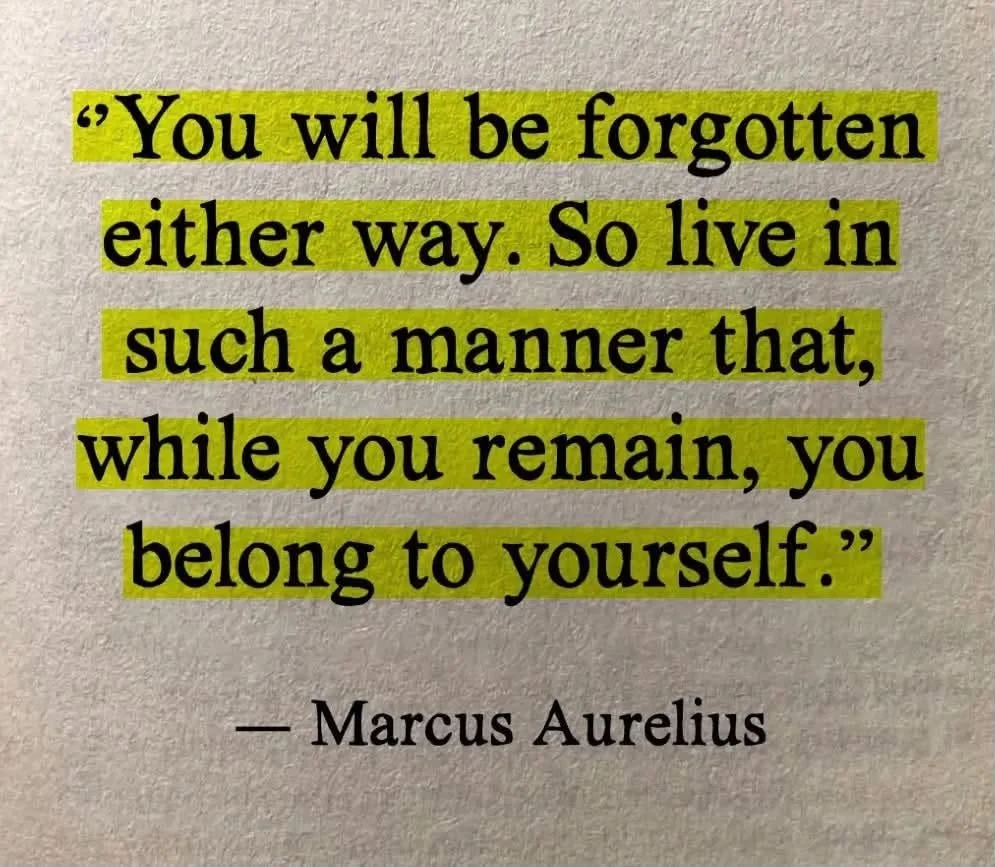
The Courage to Remember Who You Are
There is a particular kind of exhaustion that comes from being a capable, conscious, independent woman who still believes she must somehow protect the people she loves from disappointment, misunderstanding, or emotional pain. She may be a writer, an artist, an entrepreneur, a leader, or someone who has spent decades questioning convention and creating a life on her own terms. She knows how to make difficult decisions, challenge expectations, survive losses, and trust her intelligence and instincts. She may be the person others turn to for perspective, courage, and wisdom.
And yet, something curious happens in certain intimate relationships. She finds herself rehearsing conversations before they occur, searching for language that will prevent someone from feeling criticized or rejected. She anticipates how a partner, adult child, parent, or close friend might interpret her choices. She considers not only what she wants to say, but how the other person might feel, what memories her words might awaken, and how she might soften the experience before it happens. She is not necessarily afraid to speak, and she may speak with remarkable clarity, but she still wants to control what happens after she speaks.
This is a subtle form of self-abandonment because it often disguises itself as emotional intelligence, generosity, and love. We believe we are being thoughtful, practicing compassion, and honoring the emotional histories of people we care about. We believe that understanding another person’s wounds gives us a responsibility to protect them from experiences that might cause distress. Without realizing it, we begin to treat another person’s emotional life as something we should be able to manage.
Yet we cannot determine how another person interprets our intentions, what meaning they assign to our choices, or which old wounds awaken in the encounter. We can choose our words carefully, act with kindness, acknowledge mistakes, and remain available for honest conversation, but even the most loving relationship contains moments when two people experience the same event differently. Perhaps this is where our deepest work begins, not in learning how to become stronger, more assertive, or more independent, but in recognizing the limits of our influence and the unconscious bargain we sometimes make with love.
We may believe that if we understand someone well enough, we can prevent their suffering. If we communicate perfectly, perhaps they will never misunderstand us. If we anticipate their needs, perhaps our connection will remain secure. There is something deeply human in this longing because we want the people we love to feel safe with us, to understand our intentions, and to recognize the care we invest in our relationships. But what happens when our desire to preserve connection becomes a need to control another person’s experience of us? What happens when our intelligence, compassion, and imagination become devoted to preventing emotional outcomes we cannot actually prevent?
We may discover that the qualities we celebrate as our greatest strengths also contain an unconscious attachment to control. This realization asks for compassion rather than judgment, because our need to anticipate and manage the feelings of others often grows from experiences in which emotional vigilance once served an important purpose.
Somewhere beneath all this extraordinary competence lives a quieter knowledge of who we are when we are not anticipating, explaining, protecting, or managing. We may have become so practiced at attending to the emotional lives of others that we rarely notice how far our attention travels from our own. Perhaps the work before us is not to become more capable, more independent, or even more conscious, but to remember what it feels like to inhabit our own lives without continually negotiating our right to do so.
When Our Strengths Become Our Defenses
Marion Woodman’s exploration of perfectionism offers an important way to understand this experience. In Addiction to Perfection, she examines the psychological demands that separate us from our instinctual lives and the impossible standards we internalize in our efforts to become acceptable, accomplished, and whole. Her work invites us to recognize that perfectionism can inhabit our most admired qualities, including our intelligence, competence, generosity, and capacity to care.
For the contemporary woman, perfectionism may have little to do with appearing agreeable or meeting conventional expectations of femininity. She may reject those expectations entirely, live boldly, speak publicly, create provocative art, and refuse to organize her life around traditional roles. Yet she may still carry an exacting standard for herself in relationships, believing she should know how to communicate without creating conflict, understand why someone reacts as they do, and find the language that will restore connection. When someone she loves feels hurt, she immediately begins searching for what she might have done differently, as though her emotional intelligence should have prevented the pain.
The body often recognizes this pattern before consciousness does. She notices the tightening in her chest when a message goes unanswered, feels a familiar urgency to clarify something she has already explained, or discovers that her mind has begun composing another response that might finally communicate her intentions without awakening resistance. She may call this concern or love, but if she becomes quiet enough to listen, she may discover another feeling beneath the urgency.
Perhaps she fears being misunderstood by someone whose understanding matters deeply to her. Perhaps she fears being perceived as unkind, selfish, or uncaring, or worries that another person’s disappointment might permanently alter the relationship. Beneath these fears, an older belief may remain active, insisting that if someone she loves suffers because of a choice she makes, she becomes responsible for repairing that suffering.
This is where Woodman’s attention to the body becomes essential. The body gives us an opportunity to recognize when our conscious values and unconscious loyalties begin moving in different directions. We may consciously value freedom while our nervous system remains organized around preventing rejection. We may believe in mutual responsibility while feeling compelled to carry more than our share. We may celebrate independence while experiencing another person’s disappointment as an emergency requiring immediate attention.
These contradictions do not diminish our strength or invalidate the wisdom we have acquired. They reveal the complexity of a psyche that continues to carry earlier experiences into present relationships, even as our conscious understanding of ourselves evolves. Rather than criticizing these responses, we can become curious about what they protect, what they remember, and whether they still serve the lives we wish to create.
Perhaps the body remembers something our carefully constructed identities have forgotten. It remembers the pleasure of creating without seeking approval, the satisfaction of solitude without guilt, and the freedom of making a choice without first calculating how everyone else might respond. Beneath the familiar contractions of responsibility, we may discover another experience of ourselves, one that feels less like acquiring a new skill and more like recognizing something we have known for a very long time.
This is not a return to a younger or supposedly more authentic version of ourselves. We carry the wisdom of everything we have lived, including the relationships, losses, accomplishments, and difficult choices that have shaped us. Remembering asks us to bring the instinctual knowledge we have neglected into relationship with the consciousness we possess today, allowing our history to become a source of understanding rather than a set of instructions we must continue to obey.
The Unconscious Desire to Be Understood
Carl Jung’s understanding of the shadow invites us to examine not only the qualities we reject, but also the unconscious motivations that accompany the qualities we most admire in ourselves. A generous person may struggle to recognize her resentment, an insightful person may resist acknowledging what she cannot understand, and a woman who values emotional intelligence may find it particularly difficult to accept that someone she loves experiences her as hurtful, dismissive, or uncaring.
She knows her intentions, the history of her choices, and how much thought and consideration she has given to the relationship. Yet the other person tells a different story, and suddenly she encounters the limits of her ability to shape another person’s reality. She may explain herself repeatedly, believing that greater understanding will eventually produce agreement. She may offer more context, more compassion, and more evidence of her love, becoming increasingly frustrated when her efforts fail to change the other person’s experience.
Perhaps what she struggles to accept is not simply disagreement, but the realization that another person possesses an interior life that remains beyond her control. Their memories, interpretations, emotional associations, and beliefs belong to them. We participate in one another’s lives, sometimes profoundly, but we do not author another person’s experience, just as they do not author ours.
This recognition invites us to reconsider what intimacy means. Perhaps intimacy does not require two people to arrive at the same understanding of every experience. Perhaps love includes the capacity to remain present when our perceptions differ, and genuine connection asks us to release the expectation that being understood is the only evidence that we are loved.
There is freedom in recognizing that we can be thoughtful and still be misunderstood, generous and still disappoint someone, or act with integrity and still encounter anger, resentment, or grief. We can acknowledge another person’s experience without making it the final authority over our own, and we can stop treating every disagreement as a problem that requires our intervention.
As we begin to recognize these patterns, we may discover that our desire to be understood reaches beyond the immediate relationship. It may connect to an older longing to have our intentions recognized, our goodness affirmed, or our place in someone’s life made secure. The shadow invites us to examine these longings without shame, acknowledging that even our most independent identities may carry an unconscious dependence upon particular forms of recognition.
Remembering who we are includes recognizing that our intentions, values, and experiences remain real even when another person cannot see them as we do. We can listen to criticism, consider its meaning, and take responsibility where appropriate without surrendering our understanding of ourselves. This is not a refusal to learn from others, but a growing capacity to remain in relationship with our own consciousness while allowing another person the dignity of theirs.
Growing Older and Releasing the Illusion of Control
Simone de Beauvoir’s examination of aging offers another dimension to this conversation. In The Coming of Age, she challenges the social meanings assigned to growing older and asks us to examine the relationship between identity, freedom, and the conditions under which we live. Her inquiry invites us to consider how age changes not only our circumstances, but also our relationship with the expectations and identities that have organized our lives.
For a woman who has spent decades cultivating independence, growing older may not bring the familiar story of finally finding her voice. She already has a voice and has used it to create, teach, lead, challenge, love, and make her place in the world. What she may begin to question is the amount of her creative and emotional energy she still devotes to managing experiences that do not belong to her.
How much time does she spend imagining what someone else thinks of her? How often does she interrupt her own peace to revisit a conversation she cannot change? How much of her attention remains attached to the hope that someone will eventually understand her intentions, and what might she create, experience, or discover if she released some of that responsibility?
These questions do not invite indifference to others. They invite us to recognize the difference between participating in a relationship and attempting to manage its emotional outcomes. Growing older offers an opportunity to examine not only the roles we have inherited, but also the identities we have created through our own accomplishments.
We may have become exceptionally skilled at solving problems, reading people, anticipating consequences, and finding pathways through difficult circumstances. These abilities serve us well, but they can also become habits we apply where no solution is available, where another person’s experience cannot be negotiated, and where the wisest choice may be to allow uncertainty to remain.
Perhaps one of the more challenging forms of wisdom is recognizing that our competence does not obligate us to intervene, and our compassion does not require us to absorb another person’s distress. Love sometimes asks us to remain present without attempting to change what another person feels. We can continue living meaningful, creative, and generous lives even when someone we love does not understand or approve of our choices.
This recognition may also bring grief, particularly when we discover how much of our identity rests upon being the person who understands, repairs, and holds everything together. We may have taken genuine pride in these capacities, and the relationships they support may remain deeply meaningful to us. Releasing the compulsion to manage does not require us to reject the generosity that shaped our lives, but it does ask us to distinguish between what we freely offer and what we believe we must provide to remain worthy of love.
We may mourn the energy we devoted to problems we could never solve or the creative possibilities we postponed while attending to the emotional needs of others. We may also feel tenderness toward the earlier versions of ourselves who believed that vigilance, understanding, and competence could protect the people we loved from suffering. These qualities deserve acknowledgment for what they contributed, even as we begin to recognize the limitations they impose.
Completion becomes possible when we no longer require an old way of living to justify the years we invested in it. We can honor the intelligence and devotion that shaped our choices while allowing ourselves to develop a different relationship with responsibility, freedom, and love.
Growing older also gives us the opportunity to remember that our lives belong to us in ways we may not have fully understood when we were younger. We have accumulated experiences that deepen our discernment, and we have witnessed enough change to recognize that certainty and control offer limited protection from life’s unpredictability. We may begin to value the freedom to inhabit our own choices more than the reassurance that everyone around us approves of them.
This wisdom does not ask us to become detached from the people and communities we love. It invites us to participate more consciously, bringing our experience, imagination, and individuality into relationships without requiring ourselves to manage every emotional outcome. We can honor the commitments that continue to nourish our lives while recognizing when a familiar responsibility has completed its purpose.
Imagination Beyond the Need to Control
Robert A. Johnson’s work with Active Imagination offers a way to explore the unconscious beliefs that sustain these patterns. In Inner Work, he describes a practice of entering into dialogue with the images, figures, and emotional experiences that arise from the unconscious. Rather than attempting to reason ourselves out of an emotional response, we can develop a conscious relationship with the part of ourselves that feels compelled to manage the outcome.
Imagine sitting quietly with the part of you that cannot stop rehearsing a difficult conversation. Instead of telling her to relax, let go, or stop worrying, invite her to speak and ask what she believes will happen if she does nothing. Perhaps she fears losing connection, believes silence will be interpreted as indifference, or carries an old conviction that love requires constant attention, vigilance, and repair.
As the conversation unfolds, ask what she believes she is protecting you from. This question may open a dialogue with an aspect of the psyche that has devoted years to preventing experiences of rejection, shame, or abandonment. We can listen without immediately correcting her, allowing the images, memories, and feelings that emerge to reveal the history and meaning of her concerns.
Perhaps we begin to recognize that this part of ourselves does not need to disappear, but needs a different responsibility. Her intelligence can serve discernment rather than vigilance, her empathy can deepen connection without becoming control, and her imagination can return to the creative possibilities of her own life rather than remaining occupied with predicting the emotional responses of others.
This is where the work becomes transformative because we do not eliminate our sensitivity, but develop a more conscious relationship with it. We do not surrender our desire for connection, but release the belief that connection requires us to manage another person’s inner world. We begin to recognize that our creative energy belongs to us, even when someone we love feels disappointed, angry, or misunderstood.
Active Imagination also invites us to encounter aspects of the Self that have not yet found expression in our daily lives. We might imagine the woman who no longer feels compelled to explain every choice or restore every moment of disconnection. How does she move through her day, respond to uncertainty, or participate in relationships when she no longer measures the success of her love through another person’s emotional comfort?
Perhaps she spends an uninterrupted morning writing, walks through a garden without rehearsing a conversation, or makes a decision without seeking reassurance that everyone will understand. These images may seem ordinary, yet they can reveal possibilities we have scarcely permitted ourselves to consider. We can ask this emerging figure what she understands about freedom, responsibility, and love, and what she needs from us to become more fully present in our lives.
We might also begin by asking the unconscious not only what we fear, but what we remember. When do we feel most intimately ourselves? What activities absorb our attention so completely that we stop monitoring how others perceive us? What dreams continue to return, even after years of postponement? What images arise when we imagine a life organized around curiosity, creativity, and genuine desire rather than emotional obligation?
These questions invite us into a different relationship with imagination. Rather than using our creative intelligence to anticipate every possible outcome, we allow it to reveal experiences of ourselves that remain alive beneath our habitual identities. We may discover that what we call change is sometimes the return of something familiar, a way of being that existed before we learned to make ourselves responsible for everyone else’s happiness.
Imagination does not make these choices for us, nor does it relieve us of responsibility for how we bring them into the world. It opens a conversation with possibilities that our familiar habits may have kept outside awareness. We remain responsible for translating those discoveries into conscious choices, allowing imagination to become a living relationship between the unconscious, our values, and our actions.
The Freedom to Love Without Managing
Perhaps the most difficult part of this work is accepting that someone we love may continue to misunderstand us, even after we have spoken with clarity, kindness, and care. There may be no perfect explanation, no conversation that finally resolves every difference, and no amount of emotional intelligence that guarantees mutual understanding.
And still, life continues. We return to our work, our relationships, our creativity, and the ordinary beauty of being alive. We make choices, remain available for honest conversation, and acknowledge mistakes when we make them, but we no longer require another person’s agreement before allowing ourselves to experience peace.
This is not withdrawal from love, but a more spacious understanding of what love can hold. We begin to recognize that two people can remain connected without sharing the same interpretation of every event. We can care about another person’s pain without assuming that we possess the power or responsibility to remove it, and we can respect another person’s emotional experience without surrendering the truth of our own.
Perhaps most importantly, we begin to notice the extraordinary amount of energy that becomes available when we stop trying to control what other people feel about us. What might we do with that energy? What might we write, paint, build, explore, or imagine? What new relationships might become possible when we no longer approach intimacy as something we must continuously protect from disappointment?
We may discover that our creative lives have been waiting for precisely this freedom. The imagination that once rehearsed every possible misunderstanding can begin to explore new possibilities. The intelligence that once searched for ways to manage another person’s emotional response can turn toward questions of meaning, purpose, and expression. The body that once prepared for conflict whenever someone expressed disappointment can begin to recognize the difference between a familiar fear and the actual circumstances of the present.
Perhaps the deepest invitation of individuation is not to become stronger than we already are, but to remember who we are beneath the responsibilities we have assumed, the identities we have cultivated, and the emotional lives we have tried so faithfully to protect. We begin to recognize that our intelligence, empathy, and imagination belong to us as expressions of our creative nature, not simply as instruments for maintaining relationships or preventing disappointment.
As we release the exhausting belief that our strength makes us responsible for everyone else, something within us begins to find its own rhythm again. We recover the pleasure of choosing, the quiet satisfaction of trusting ourselves, and the freedom to participate in relationships without surrendering our inner lives. We discover that love can accommodate difference, that connection can survive disappointment, and that another person’s experience of us does not determine the truth of who we are.
Perhaps remembering who we are is not a single revelation, but a lifelong practice of returning to ourselves. We remember through the body, through imagination, through the choices we make and the moments when we recognize an old response but no longer feel compelled to follow it. We remember in the quiet spaces where we stop explaining ourselves long enough to hear what our own lives are asking of us.
And perhaps the greatest courage is not found in becoming someone new, but in trusting ourselves enough to live as the person we have always been, even when others have known us differently.
written by Bren Littleton
Tin Flea Press, c. 2026